©BabbaroHouse

THE PARK'S FAUNA
Faunal surveys on species of community interest have led to the identification of a total of 63 species in the area, belonging to 6 main zoological groups. Some of these are considered of "priority interest" by Directive 92/43 and include, among invertebrates, Osmoderma eremita and Rosalia alpina and, among vertebrates, the Wolf.
Over 550 reports of species presence have been collected. The majority, over 280, refer to 25 species of birds, including Red Kite (Milvus milvus), Golden Eagle (Aquila chrysaetos) and Black Woodpecker (Dryocopus martius), and about ten reports relate to 6 species of invertebrate fauna (including Rosalia alpina and Oxygastra curtisii). The others are divided among 12 fish species (including Alosa fallax and Alburnus albidus), 4 species of amphibians including Yellow-bellied Toad (Bombina variegata) and the Salamandrina terdigitata and 2 species of reptiles.
The reports collected for mammals were 153 and relate to 14 species including Tadarida teniotis, Wolf (Canis lupus) and Otter (Lutra lutra).
The Park includes an extremely diverse territory from a faunal point of view, hosting both high-mountain species such as the Rock Partridge and the Red-billed Chough, as well as species linked to hilly and coastal environments, such as the Tawny Pipit and the Lesser Grey Shrike. The forest cover, the extension and continuity of some mountain areas such as those of the Cervati and Sacro mountains, allow for the presence of species that require large territories, such as the Wolf, the Eagle Owl and the Golden Eagle.
The hydrographic network also presents a high level of complexity, and the abundance of water and its good quality are essential prerequisites for the presence of the Otter, an aquatic mammal that occupies much of the Park's waterways (Calore, Alento, Mingardo and Bussento). Along these rivers, most of the cyprinids of community interest are reported, such as the Southern Bleak, the Rovella, the Barbel and the Vairone. Furthermore, the presence of extensive rocky habitats, both along the coastal and inland areas, determines the presence of some species of falcons, including the Peregrine and the Lanner.
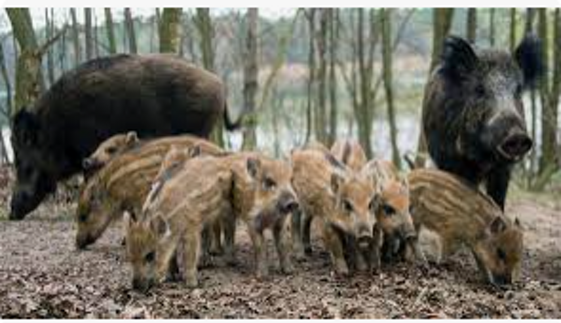
Wild Boar
The skin is covered with sparse bristles and only in winter with short hairs and long, thick bristles. There is a mane on the nape and the tail is narrow and pendulous. MORE....
The wild boar (Sus scrofa), 0.80 m tall at the shoulder and 1.50 meters long, can reach a weight of 180 kg. The legs are short and thin, the head is elongated with small eyes and large ears; eyesight is not very sharp, but the sense of smell and hearing are highly developed. Males use their canines, which protrude from both jaws, for defense and offense.

Who we are
Discover our wide range of fresh foods, organic meat, wines, beers, and spirits. With delivery or pickup available within 2 hours.
Pellentesquer


ALEXANDER STRIPLING
PEARL LINDSEY
Nulla nec
Pellentesque congue
Integer ac vehicula eros, sed dictum sapien. Donec dignissim porttitor ante, sit amet placerat dui. Donec mollis vel arcu et efficitur.
Integer ac vehicula eros, sed dictum sapien. Donec dignissim porttitor ante, sit amet placerat dui. Donec mollis vel arcu et efficitur.


ROSA STORIES
DANIEL PATEL
Proin quis
Sed vitae
Integer ac vehicula eros, sed dictum sapien. Donec dignissim porttitor ante, sit amet placerat dui. Donec mollis vel arcu et efficitur.
Integer ac vehicula eros, sed dictum sapien. Donec dignissim porttitor ante, sit amet placerat dui. Donec mollis vel arcu et efficitur.
©BabbaroHouse